
If you’re in the market for hopper bottom trailers for sale, getting the right one for your grain hauling operation matters more than most buyers realize. The wrong trailer can cost you time, money, and headaches out in the field. The right one keeps your loads moving efficiently season after season. This post walks you through the key decisions so you can shop with confidence.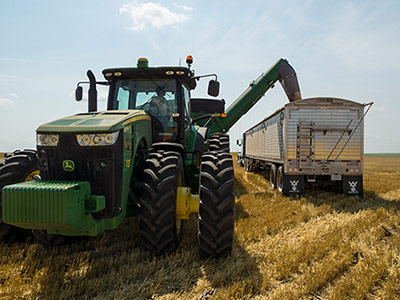
Start With Capacity and Configuration
The first question is how much you need to haul. Hopper bottoms come in a range of cubic foot capacities, and matching that capacity to the commodities you carry is critical. Corn, soybeans, wheat, and sunflowers all have different densities, so a trailer that works perfectly for one crop may not be the best fit for another. Talk to your elevator contacts or co-op about what they’re seeing come across the scale, and work backward from there.
You’ll also want to think about the number of hoppers and the slope of the cone. Steeper cone angles generally mean better flow and less residual grain left behind after unloading, which saves you time and keeps shrink down. If you’re hauling in the Bismarck, ND area or out on the Montana plains near Billings, MT where wind and weather add variables to every load, smooth, efficient unloading is worth paying attention to.
Aluminum vs. Steel: Know the Trade-Offs
Aluminum hopper bottoms cost more upfront but carry a significant weight advantage, which translates directly into payload capacity. In states with strict weight limits, that extra few hundred pounds of legal payload can add up fast over a season. Steel trailers are typically less expensive to buy and easier to repair in a pinch, which appeals to operators who put a premium on keeping maintenance costs predictable.
For grain farmers and custom harvesters across North Dakota, Minnesota, and South Dakota, the choice often comes down to how many loads per year you’re running and whether resale value is a factor. Aluminum generally holds value well. Steel can be the smarter call for a second trailer or for operations where rough conditions are the norm.
Axle Configurations and Suspension
Most grain haulers run a standard tandem axle setup, but if you’re working soft fields or muddy conditions in the fall harvest push, spread axle configurations or air-ride suspension options deserve a look. Air ride protects both the trailer and the load, and it reduces wear on gravel roads, which matters if you’re running routes out of Dickinson, ND or Minot, ND where gravel backroads are part of the job.
Make sure you’re also factoring in your fifth wheel height and tractor specs before you commit to a trailer. Pairing the trailer to your existing equipment prevents clearance issues and makes sure everything runs legally down the road.
New vs. Used Hopper Bottoms
There’s a strong market for both, and the right answer depends on your budget and how hard you plan to work the trailer. New trailers come with manufacturer warranties and the peace of mind that comes from knowing the full history. Used trailers can be an excellent value, especially when they’ve been well-maintained and come from a reputable dealer who inspects them before putting them on the lot.
At Johnsen Trailer Sales, we’ve been selling and servicing semi-trailers since 1959, and we stock both new and used options across our locations in Bismarck and Fargo, ND. We’re a factory-authorized dealer for Wilson trailers, among others, and our team knows grain hauling equipment inside and out. Customers from across North Dakota, Montana, Minnesota, Wyoming, and surrounding areas rely on us because we stand behind what we sell.
Don’t Overlook Parts and Service Support
A trailer is only as good as the support behind it. Hopper gates wear out. Tarp systems need attention. Pneumatic systems on certain models require regular upkeep. Before you buy, make sure you can get parts and qualified service without a long wait. Our full-service repair shop serves customers from Fargo, ND all the way out to communities near Billings, MT and beyond, with a broad parts inventory and both preventative maintenance and emergency repair capabilities.
Financing and leasing options are also available if you’d rather keep capital working in the operation instead of tied up in equipment.
If you have questions about which hopper bottom trailer makes the most sense for your setup, please give us a call or drop us an email. We’re happy to talk through the details and point you in the right direction.